

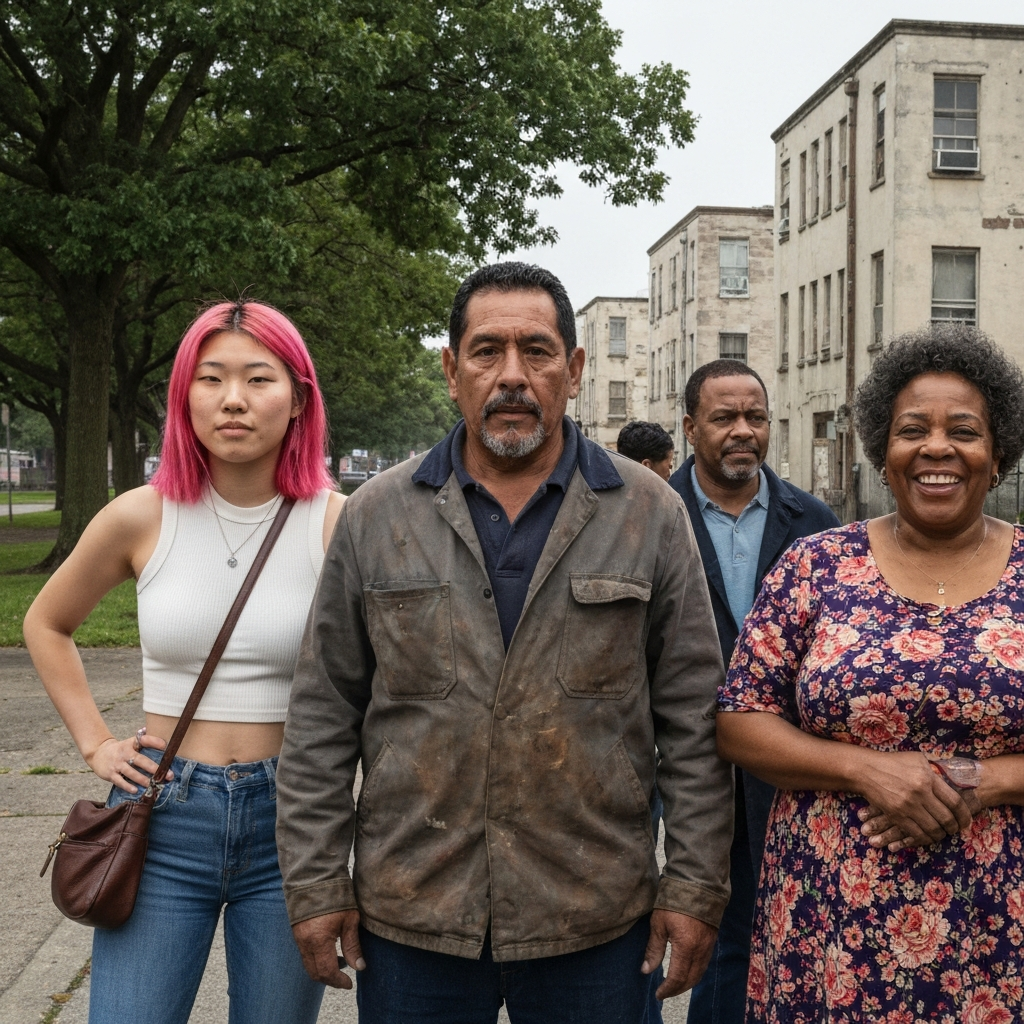
The term “K-shaped recovery” has become a focal point in discussions about the U.S. economy’s trajectory following recent challenges. This concept describes a scenario where different segments of the economy recover at varying rates, leading to divergent outcomes among various income groups.
Defining the K-Shaped Recovery
In a K-shaped recovery, while certain sectors and demographics experience growth and prosperity, others continue to struggle. This pattern contrasts with more uniform recoveries, where economic improvements are broadly shared across the population.
Evidence from Recent Analyses
Recent analyses by the Federal Reserve Bank of New York have highlighted this phenomenon. Data indicates that since January 2023, real retail spending has grown unevenly across income groups. Wealthier individuals have driven much of this growth, benefiting from high returns on financial assets. In contrast, lower- and middle-income households have seen slower spending growth, especially after the expiration of pandemic-era relief programs. The report emphasizes that this reliance on affluent consumers has serious implications for economic stability and policy effectiveness. Notably, wage growth fails to fully explain this divergence; rising wealth and inflation play more significant roles. The Fed warns that this split leaves the economy more vulnerable to shocks.
Implications for Economic Policy
The K-shaped recovery presents challenges for policymakers aiming to foster inclusive economic growth. Addressing the disparities requires targeted interventions to support sectors and populations lagging in the recovery process. Strategies may include enhancing access to education and training, supporting small businesses, and implementing policies that promote wage growth among lower-income workers.
Local Perspective
For communities like Frisco, Texas, understanding the dynamics of a K-shaped recovery is crucial. While certain industries and residents may experience rapid growth and prosperity, others might face prolonged economic hardships. Local leaders and stakeholders can use this insight to tailor initiatives that address specific needs within the community, ensuring a more balanced and equitable recovery.
In conclusion, recognizing and addressing the factors contributing to a K-shaped recovery is essential for building a resilient and inclusive economy. By focusing on policies that bridge the gaps between different economic segments, both national and local leaders can work towards a more equitable future.