

By Amanda King
Frisco’s housing landscape is in flux. If you’re buying, renting, or developing here, these are the shifts to watch.
Home Prices & Sale Conditions
Home values in Frisco have softened slightly over the past year. According to Redfin, the median sale price for homes sold in the three months through July 2026 was about $675,000 — down around 2.2% from the same period last year. Homes are sitting on the market about 50 days on average, nearly the same as last year. Zillow’s latest data puts the average home value closer to $649,000, marking a decline of roughly 4.6% year-over-year. These numbers suggest that while homes are still expensive, buyers may have more negotiating room than during peak market conditions.
Rental Market: Relief Strands & Premiums
Rent prices are easing in many segments. The average rent in Frisco is now about $1,794, a decline of 2.7% year-over-year. One-bedroom apartments run near $1,522; two-bedroom units cost about $2,083; three-bedroom units, often favored by families, average around $2,693. These changes show modest relief for renters after several years of widespread increases.
Prices for single-family rentals remain high, especially in Frisco ISD zones and popular neighborhoods. Three-bedroom and four-bedroom homes often command a premium with top school access and amenity-rich locations pulling in stronger demand.
Supply, Demand & What It Means for Buyers
Inventory has grown. For single-family homes and condos in Q2 2026, Frisco saw more active listings and more closed sales versus Q2 2025. Prices remain elevated for luxury homes in northern Frisco, while homes under $500,000 are becoming more common among closed sales.
For buyers, this means more options and less urgency when viewing homes. Sellers may need to be more strategic on price and presentation; buyers should still move quickly on well-priced homes in strong neighborhoods.
Development & Long-Term Trends</
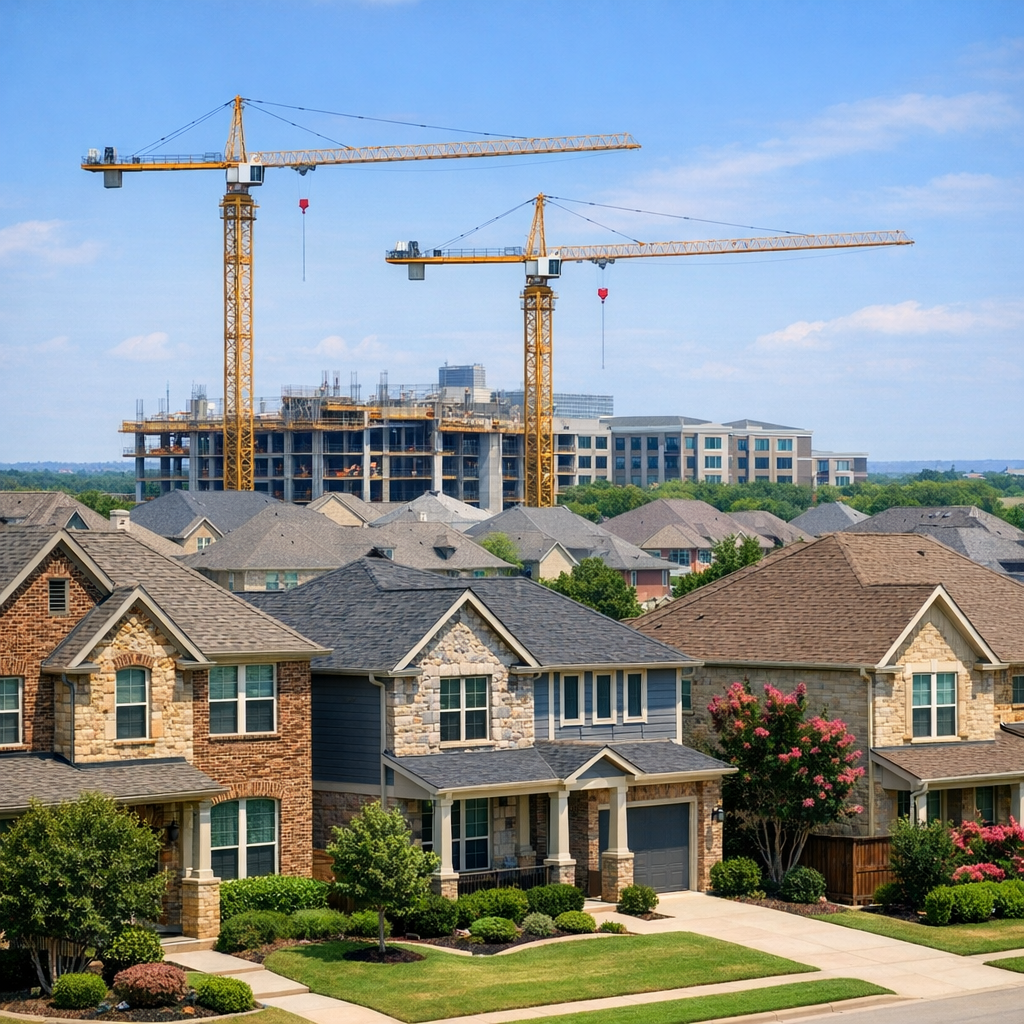
Frisco is still growing, but differently. The city’s bulk growth has slowed; now what stands out is the nature of development — luxury housing, mixed-use projects, walkable neighborhoods, and amenities tied to schools and employment centers. Reserve levels of undeveloped land are shrinking, especially in prime zones.
Big projects are in motion. Developers have broken ground on major multifamily complexes like the Freemont Frisco Apartments. Mixed-use developments are being built with proximity to retail, office, and green space to match changing buyer and renter preferences.
Tips for Buyers, Renters, & Developers
- Buyers: Focus on neighborhoods where price per square foot shows value, and ask sellers about recent comparable sales. Aim for homes that combine location strength (schools, amenities) with realistic prices.
- Renters: If you need space (3-4 bedrooms) or a single-family rental, expect higher rents in top ISD zones. For cost savings, consider smaller units or negotiate on newer multifamily complexes.
- Developers: Mixed-use and luxury projects still draw strong interest, especially in northern Frisco. Land costs are rising—choose sites close to infrastructure or major employers to ensure appeal.
Frisco’s real estate market today is one of adjustment rather than boom. Prices are plateauing in many places, rents are easing, and supply is giving buyers more choice. But much like the city itself, the market remains resilient — buoyed by strong schools, growing job opportunities, and a development pattern that’s leaning into quality more than scale.