
By Michael Williams
The national news landscape right now is shaped by ongoing debates over the economy, persistent inflation, and the evolving political climate. These issues don’t tie neatly to any single event—they’re part of broader currents that Frisco residents should understand as they influence both the national balance and local life.
Inflation and Economic Growth: Slicking Forward, But With Drag
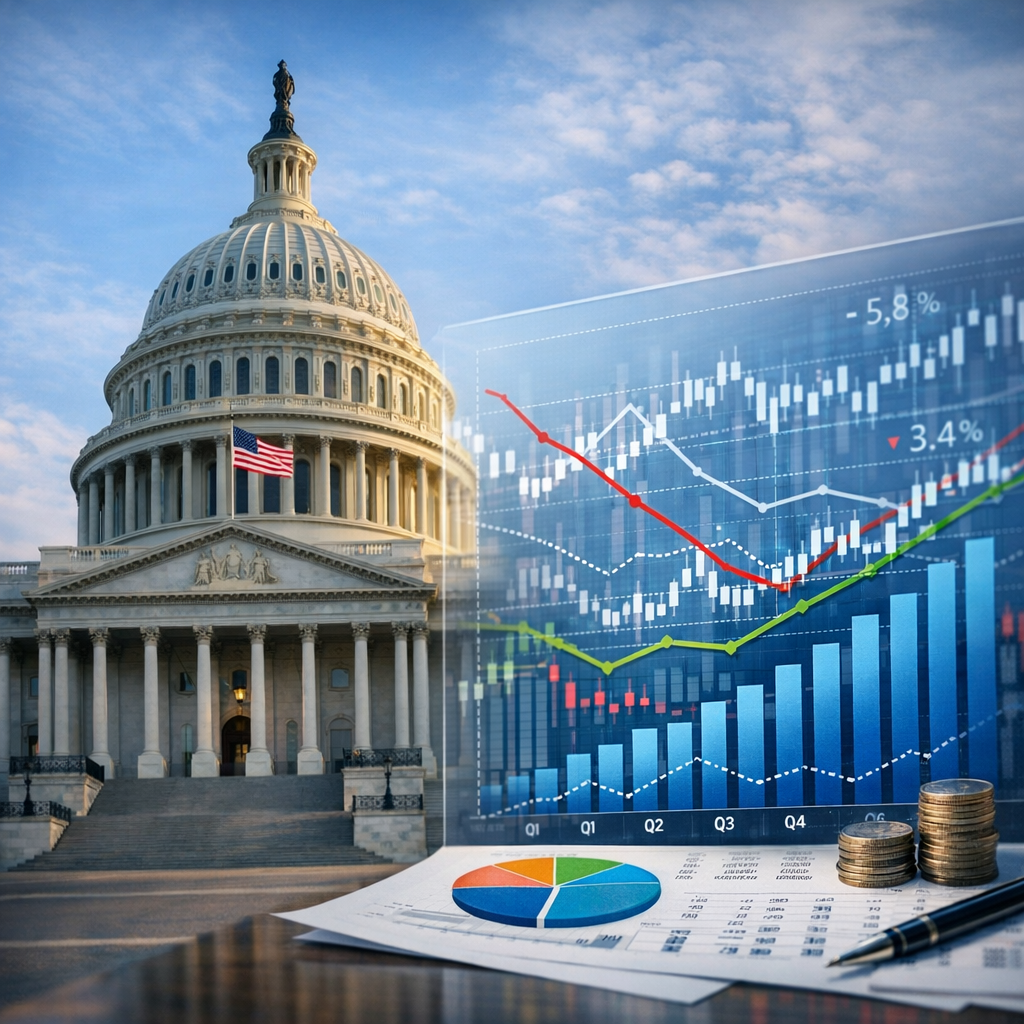
Recent data show the U.S. GDP grew 1.5% in the second quarter—slower than historic averages, and a sign that growth is modest but not collapsing. Meanwhile, inflation—while down from recent peaks—remains a challenge. Prices for key goods and services are still rising, causing budget strain for many families. Analysts note that gains in income are helping some households, but in others, wage growth hasn’t kept pace.
The Consumer Price Index (CPI) rose 0.1% month-over-month in July, and roughly 3.4% over the past year. Core inflation—excluding volatile food and energy—also shows signs of sticking in place. In practice, that often means people are still feeling the pinch when it comes to essentials like groceries, medical care, housing, and transportation.
Public Confidence and Consumer Stress
Along with economic indicators, public confidence has taken a hit. Consumer sentiment is close to its lowest in several months—a reflection of concern over inflation, rising costs for basics, and energy prices holding firm. For many, the hardest part is the feeling that things aren’t getting better fast enough, even when the headline numbers look less volatile.
What does this all mean for everyday life? In places like Frisco, Texas, it shows up in decisions about groceries, housing, healthcare coverage, and even whether to delay big purchases or investments. Residents feel national trends locally.
The Political Landscape: Elections, Divide & Policy Priorities
With key elections on the horizon, political conversation has intensified around who bears responsibility for economic conditions—how Washington shapes inflation, taxes, trade, and social welfare. Voters are also paying close attention to issues like healthcare, immigration policy, and energy regulations. These debates are sharpening divides but also pushing discussions around what government can do to ease pressures on households.
National politics are also shaped by how people perceive their own influence and how well informed they feel—which often lags behind how important they believe these issues are. Many Americans believe staying informed is crucial, especially about economic policy, election rules, and the limits of presidential power. But fewer feel they have a strong grasp of these topics.
What to Watch Going Forward
- How inflation behaves over the next few months—will it drop steadily, stay sticky, or pick up again?
- What actions Congress and the administration take to address cost-of-living concerns, housing, healthcare.
- The voter conversation—how issues like inflation, wages, and public services will feature in campaigns and candidate platforms.
- Local impacts: housing markets, school funding, property taxes—all tied in with national trends.
National issues don’t always feel close to home—but during this moment, they are. What happens in Washington, through economic policy or legislation, ripples into everyday life in Frisco, just like it does everywhere in America. Keeping track of these threads helps all of us see where things might head—and what we might need to demand or support as concerned citizens.